Velator Quay offers history, beauty and a wonderful spot to picnic or stroll
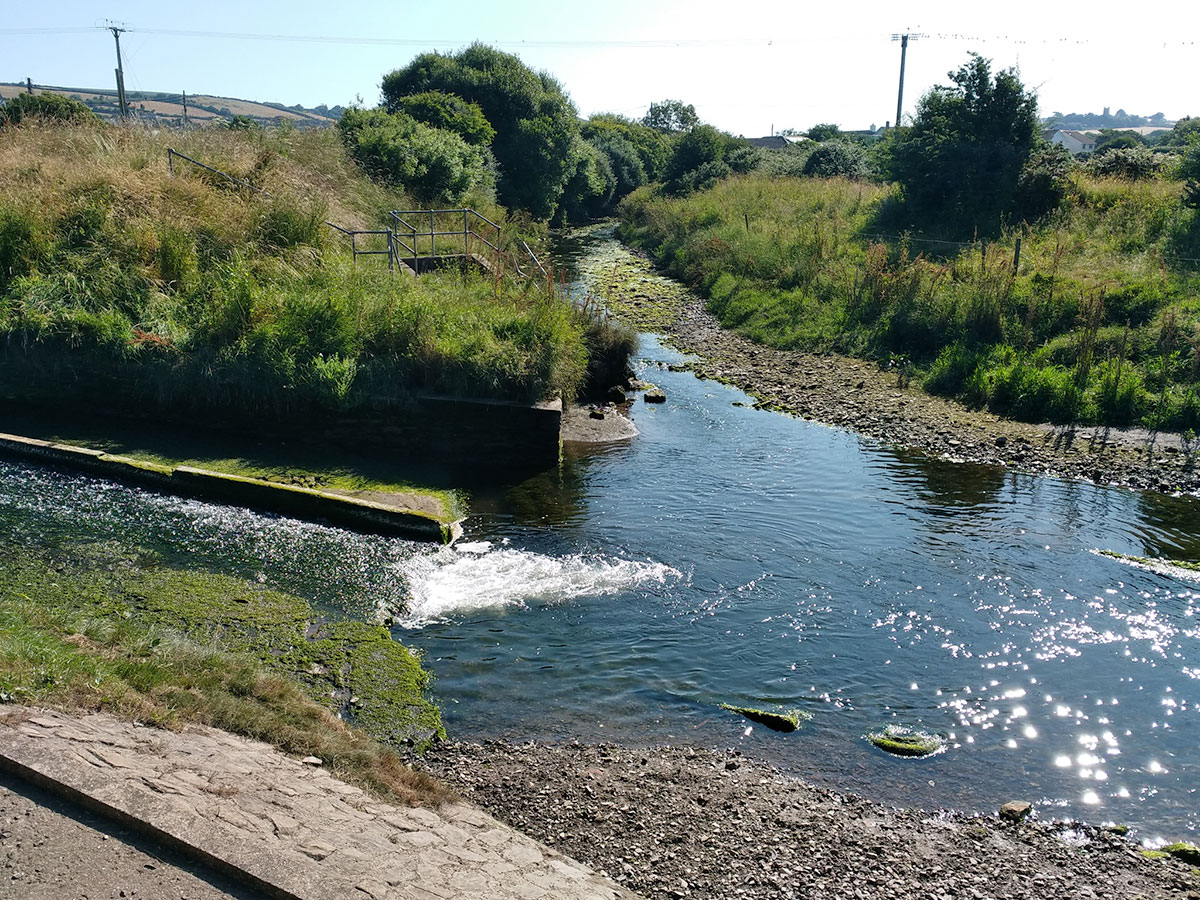
For many years, Braunton was a small village with a small population reliant on farming, but in the mid 19th century work took place to reclaim the marsh land that sat between Braunton and the Taw estuary. This involved building drainage channels to allow water to run off into the nearby River Caen, then into the estuary.
Until that point, the River Caen provided limited access to only small boats, but during the reclamation, the river was widened at Braunton and the water level increased which enabled access to much larger ships.
A quay was built at Velator helping Braunton to grow into a busy port exporting farm produce and manganese ore and importing goods such as coal, bricks and limestone. The port’s growth played a large part in the growth and development of the village and shipping became very much a part of Braunton’s history.
This was in past and the advent of motor vehicles, bigger ships and more modern docks meant that Velator Quay and many other similar quays all over Britain soon became obsolete and deserted.
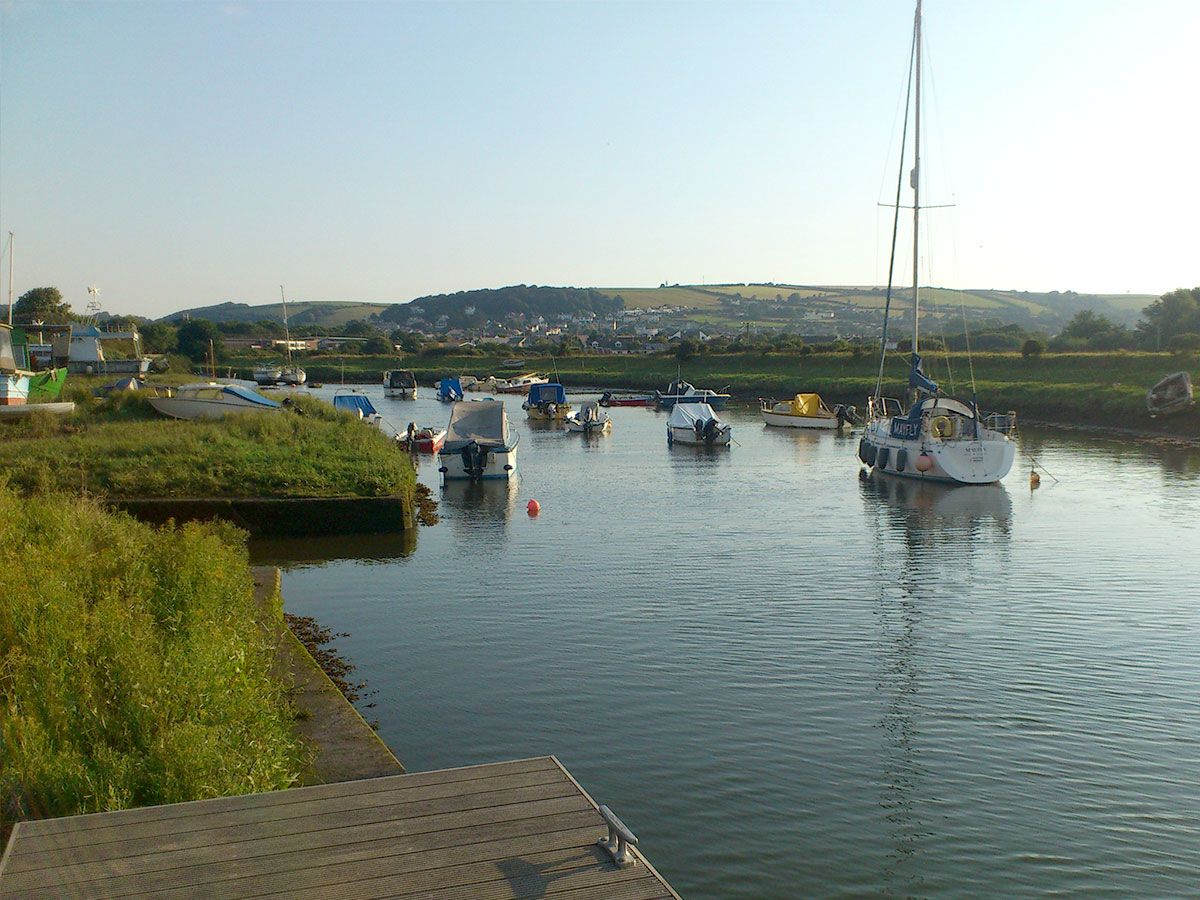
There is a quay of sorts there today but only for pleasure craft which stay moored waiting for the tide to come in so they can sail out from Braunton Pill and into the Taw estuary.
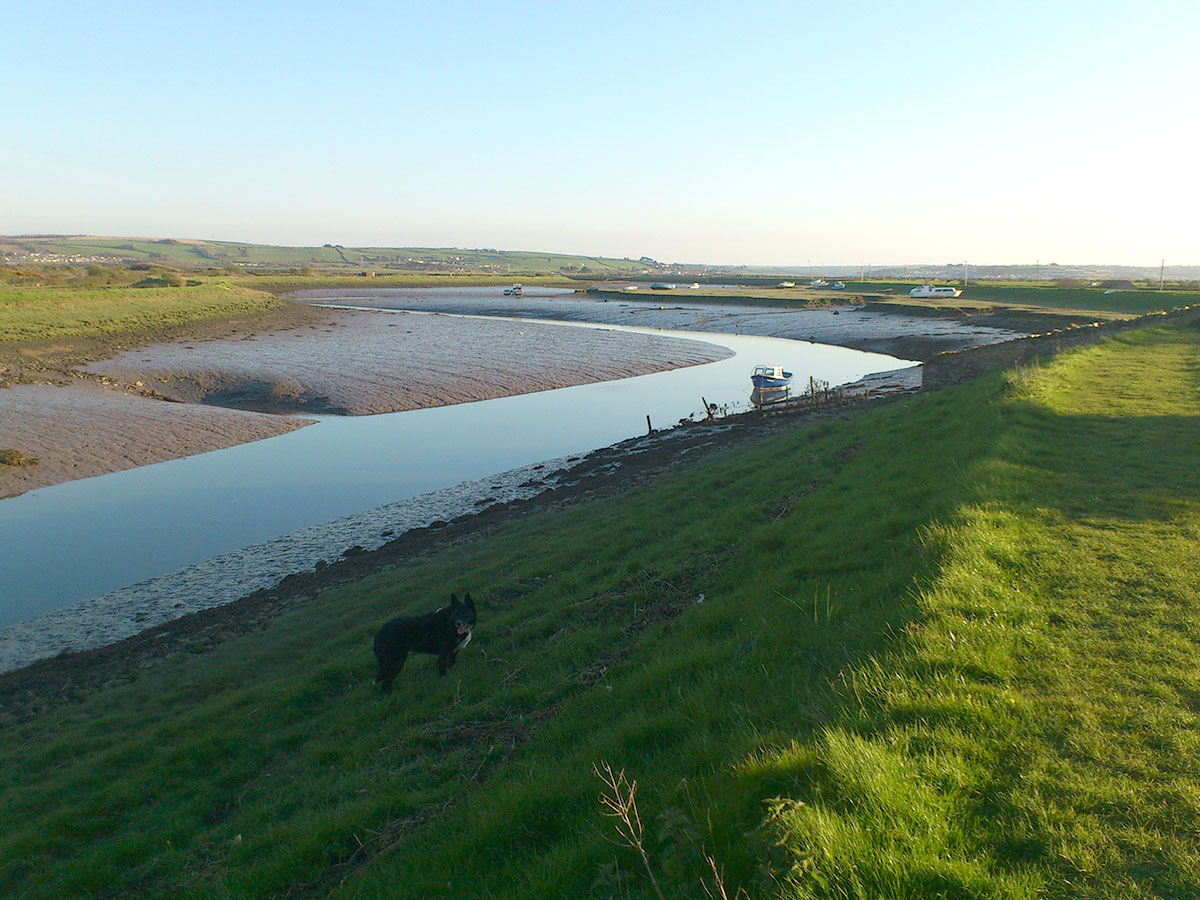
There are public footpaths either side of Braunton Pil at Velator. On the western side is the South West Coast Path which travels down to Crow Point, then back up towards Saunton.
On the eastern side the path follows the river around Horsey island until it is eventually blocked by Chivenor MOD base.
There is parking available at Velator Quay and picnic tables where you look out over the river or back towards Braunton over the Great Field.
It’s a lovely spot to visit for a picnic, dog walk or stroll.