
Are you looking to explore Braunton and the surrounding area on foot? You’ve come to the right place!
Best walks in Braunton
The map above features some of our favourite walks around Braunton village and Braunton Burrows. Most of the walks are moderate, but some do require steep hill climbs. The walks are suitable for all ages, though some are dependent on fitness levels.
Read on to find out about the local wildlife and historical sites you can discover on your walks around Braunton. We also share our local walking tips and highlight North Devon’s long-distance hiking routes!
Walks in Braunton Village
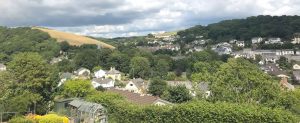
 There are a great variety of walks around Braunton and its outlying hamlets and, whether you are an occasional walker or an avid hiker, there is much to capture your interest in this area of the North Devon Biosphere Reserve.
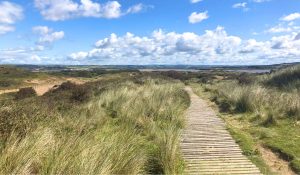
Many people aim for the visually exciting beach and dune landscapes, but there are many more sights to discover in the parish, among the gently sloping farmland to the northwest of Braunton and the picturesque streets within the village itself.
Wildlife and historical sites in Braunton
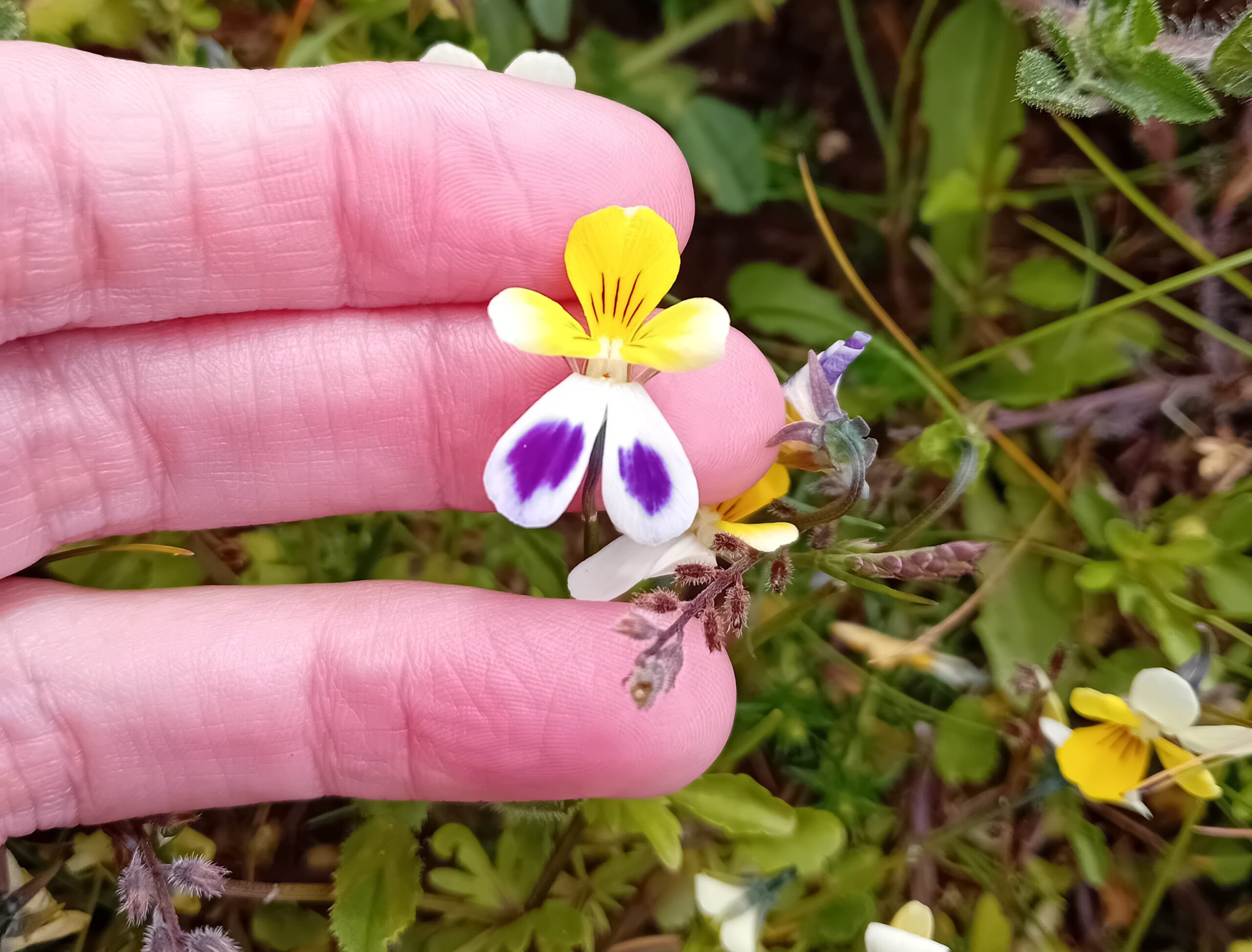 Walking around Braunton, you’ll be rewarded with spectacular views as well as sites of historical interest. On your travels, you may see foxes, rabbits and deer, as well as a variety of invertebrates, and an impressive array of birdlife. If your walk takes you through the Braunton Burrows, then you will see plants that are unique to the area and do not exist anywhere else on the planet!
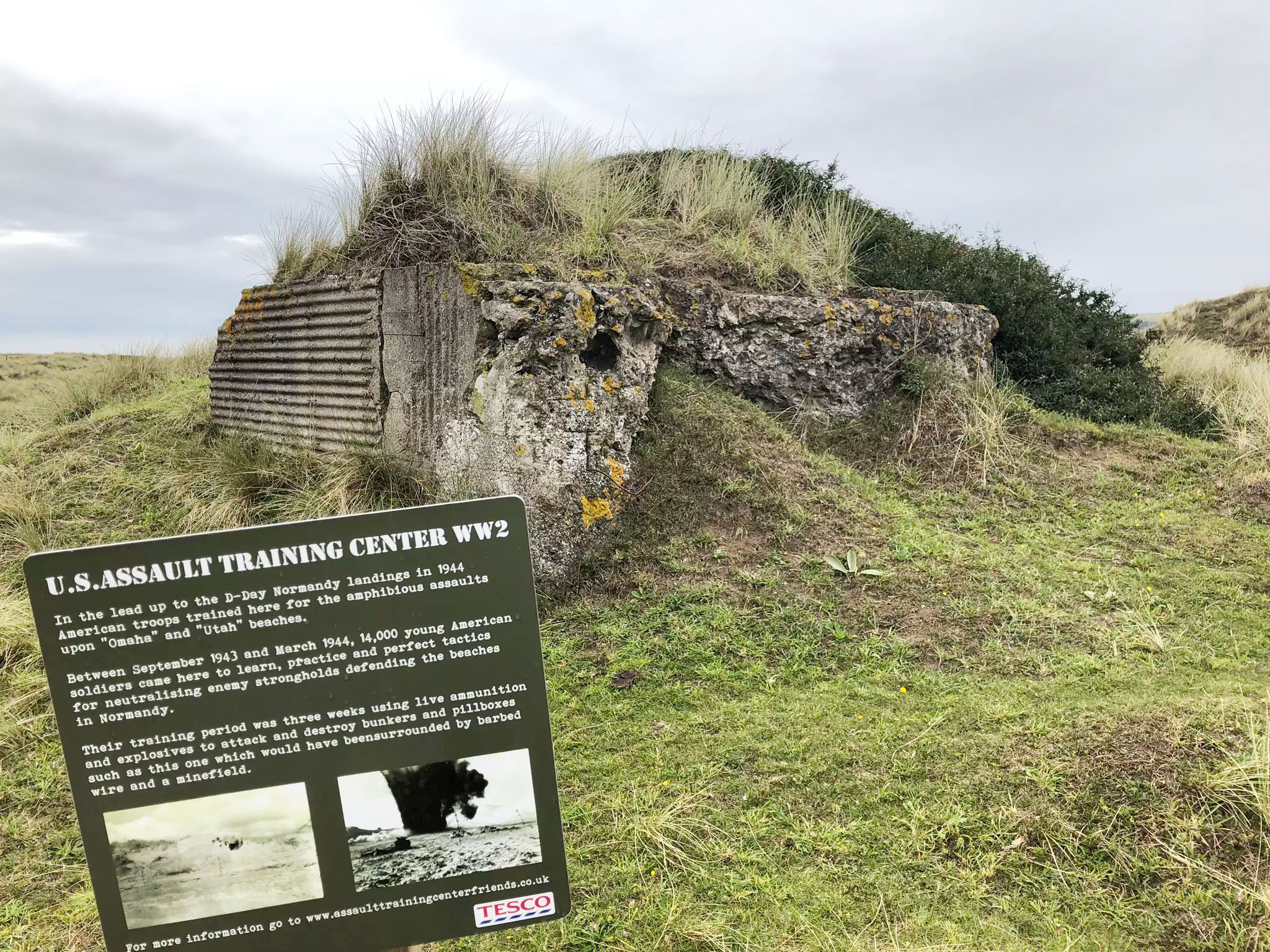
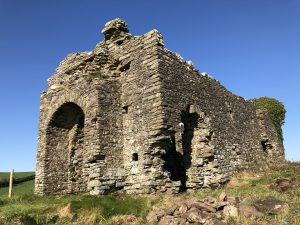
You will see lots of historical evidence in Braunton, too, such as the Medieval St Brannock’s Church, which was once at the centre of the village. Braunton Burrows is littered with the remains of a World War 2 training site, where American soldiers trained for D-Day. Velator Quay was once the busiest quay in the area and the main source of income for Braunton. Today, the Quay still holds evidence of Braunton’s maritime past.

Braunton Bat Trail
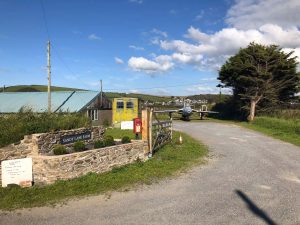
 Braunton is home to one of several bat trails in Devon designed to help people observe local bat populations, particularly the Greater Horseshoe bat. Braunton is believed to have the second largest population of Greater Horseshoe bats in the UK! The Braunton Bat Trail starts at the Braunton Countryside Centre and follows a series of signposts leading you to some of the best places in the village to spot bats.
South West Coast Path
The South West Coast Path National Trail is a 630-mile adventure around the coastline of the southwest peninsula, stretching from Minehead in Somerset, on the edge of Exmoor National Park, to Poole Harbour in Dorset. A stretch of the South West Coast Path runs through the parish of Braunton from Putsborough beach, through Croyde, Saunton, Crow Point and then on north and east towards Barnstaple.
The coast path is enjoyed by millions of visitors and residents every year. The sheer variety of this spectacular walking route means there are plenty of gentle stretches to enjoy as well as dramatic headlands and steep coastal valleys for more challenging hikes.
The Tarka Trail
 The Tarka Trail is a 180-mile, figure-eight trail that takes in the best North Devon has to offer. It starts and ends in Barnstaple but can be accessed from Braunton. The Tarka Trail makes use of existing paths and bridleways throughout the area including the South West Coast Path, The Two Moors Way, plus Route 27 of the National Cycle Network. From Braunton village, follow signs for the Tarka Trail to walk the coastal path to Crow Point and around the headland to Croyde.
North Devon Coast National Landscape
You can find details of self-guided or guided walks on the North Devon Coast National Landscape website.
Public rights of way
There are plenty of public footpaths and other rights of way in and around Braunton. Devon County Council’s website gives details of public rights of way in North Devon, as well as information about open access land, stewardship access land and cycleways.
Safety tips and other advice for walkers
Walking around Braunton with dogs
Most walks are suitable for dogs, but some may not be due to access at gates, fences and stiles. Quite a few of the walks around Braunton listed on this page make use of public rights of way, which cross working farmland. If you have a dog, please ensure it is under close control and avoid allowing dog mess on arable crops.
If you cross a field containing livestock, your dog must be on a lead.
Be aware of Adders in Braunton
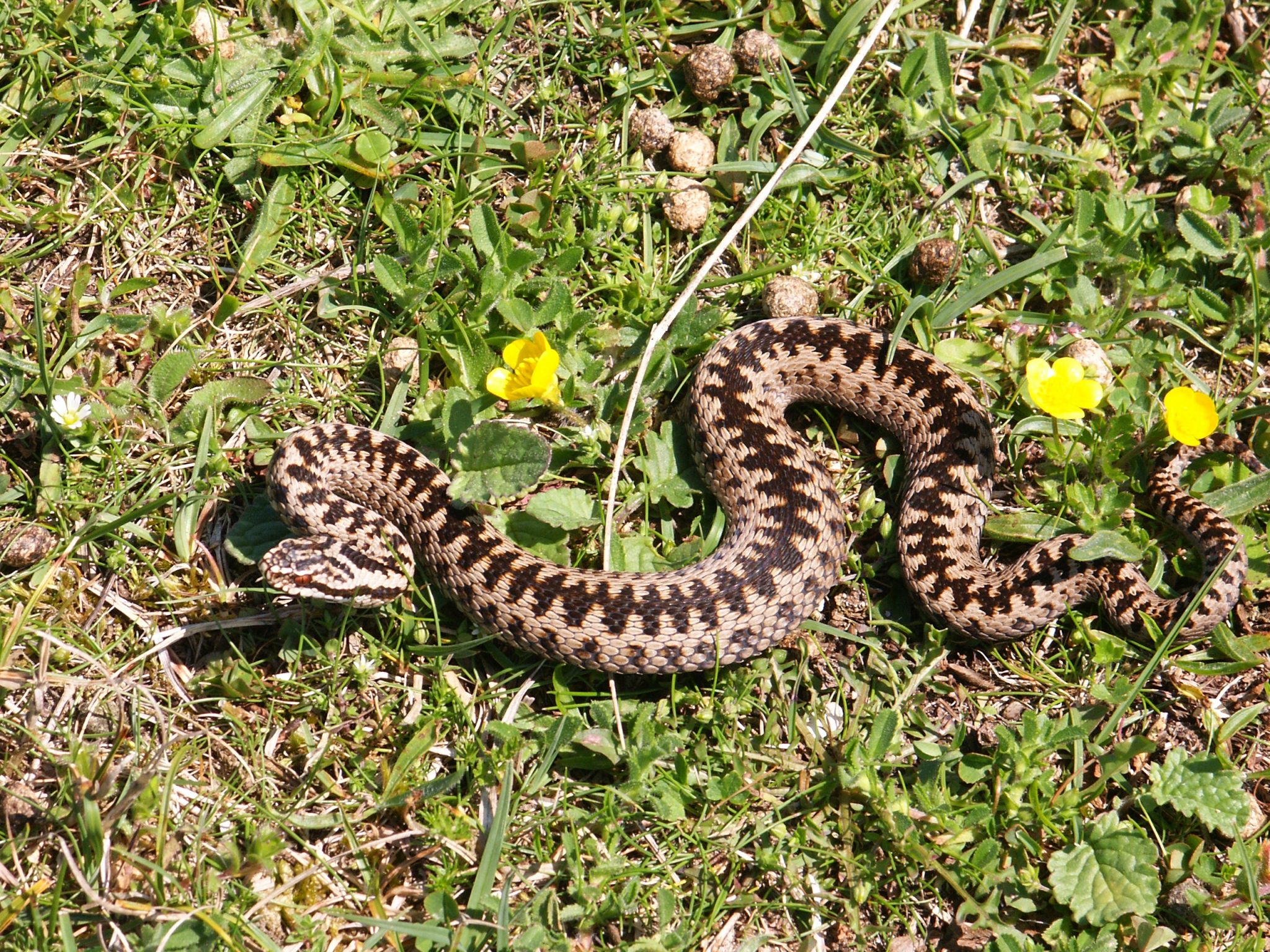
Several areas in and around Braunton, particularly the Braunton Burrows, are home to Adders. These snakes are quite impressive, with a black with yellow diamond pattern on their back. During the summer months, Adders are energised by the sun, so they are pretty good at getting out of the way and avoiding humans and animals. In the spring, they can be sluggish after waking from hibernation and this is the most common time for them to be caught out and bite.
The most common scenario is dogs rummaging about in bushes and catching an Adder off-guard. (Many Adder bites are to dogs’ noses!) For dogs, Adder bites can be serious and may be fatal depending on the size of the Adder, the size of your dog, and the severity of the bite. Symptoms of Adder bites in dogs are obvious pain, swelling, bruising, lethargy and vomiting. If you suspect your dog has been bitten, take them to a vet immediately who will administer anti-venom and steroids.
Adder bites for humans usually cause sickness, pain and swelling, but are rarely fatal unless there is a severe allergic reaction.
Emergencies
The mobile signal in Braunton and the surrounding area is pretty good, so you should have no problem contacting the emergency services if required. There are, however, ‘shadows’ caused by hills where the signal can be weak or disappear. If you are at the bottom of the hill and cannot get reception, move away from the hill out into open space and the signal should return.
If your walk takes you onto a beach and you choose to go into the sea, please be aware that there is no lifeguard service at Saunton Sands. There is a limited lifeguard service at Croyde during the summer months.
Please remember the country code, always lock gates behind you, and do not leave litter or start any fires.